
Querétaro
442 235 3832


A urologist is a medical specialist who diagnoses and treats conditions affecting the urinary system—including the kidneys, bladder, ureters, and urethra—in both men and women, as well as conditions affecting the male reproductive system.
Urologists treat a wide range of conditions, including urinary tract infections, kidney stones, urinary incontinence, prostate conditions, erectile dysfunction, male infertility, and various types of tumors and cancers affecting the urinary and reproductive systems.
You should consider seeing a urologist if you experience any of the following:
Listening to your body is the first step toward feeling better. Schedule your urological consultation today and take control of your health.
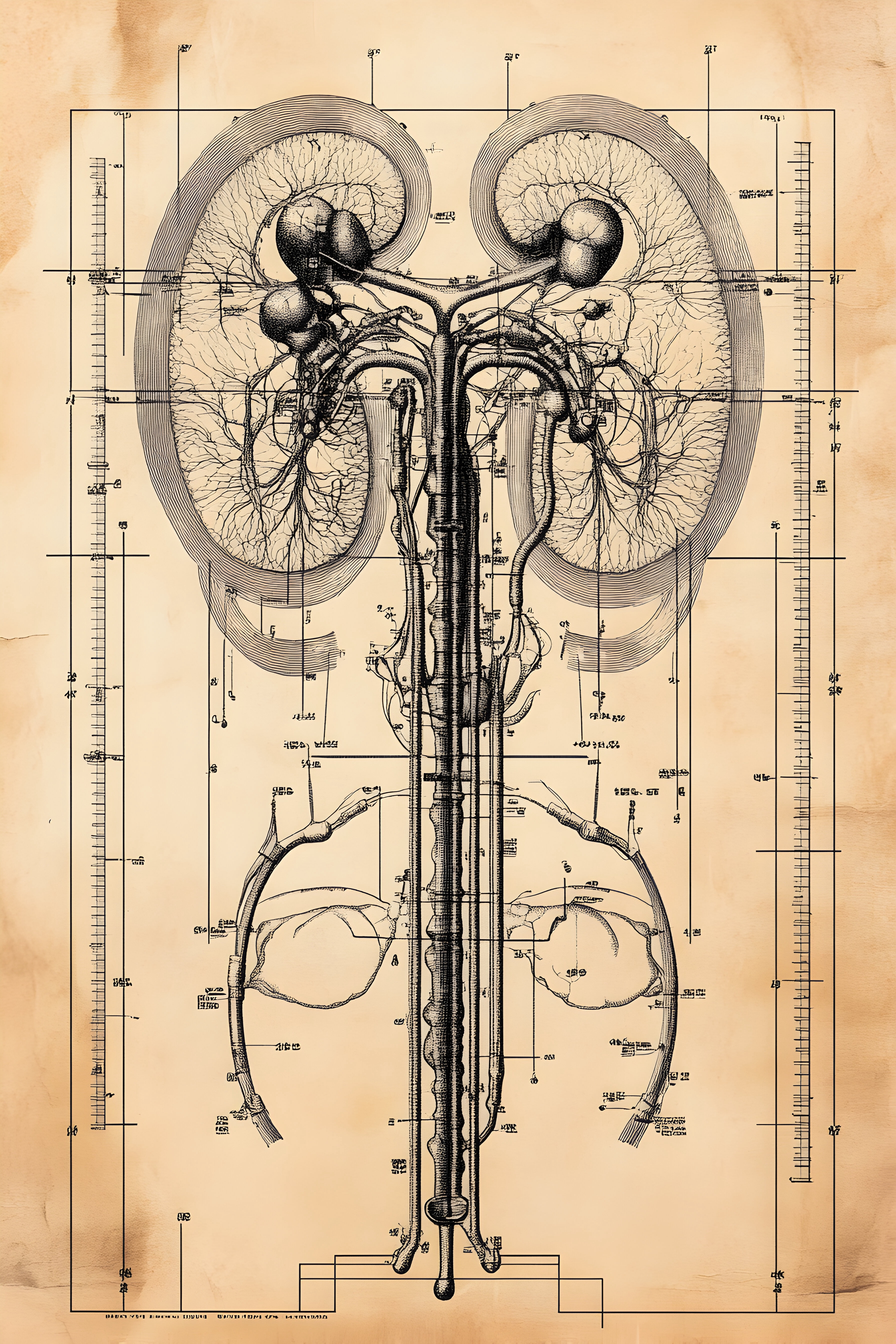
For men, a urological consultation is recommended whenever symptoms or concerns arise. If you have a family history of prostate cancer, it may be appropriate to begin prostate health discussions and screening earlier, potentially as early as age 35, depending on your individual risk factors.
Starting around age 40, many men benefit from regular urological checkups, as age-related changes in the urinary and reproductive systems can affect urinary function, sexual health, and overall quality of life.
For women, a urological evaluation is recommended whenever symptoms or concerns arise. Preventive urological care may also be considered starting around age 40, particularly after pregnancy or during hormonal changes such as menopause.
Seeing a urologist can help you maintain your health, sexual well-being, and quality of life as you age.
During your first visit, your urologist will ask about your medical history, current symptoms, and any medications or supplements you are taking. A physical examination may also be performed, and additional diagnostic tests may be recommended to determine the most appropriate treatment plan.
Don’t hesitate to take the first step. Schedule your consultation and take care of your health with confidence and peace of mind.

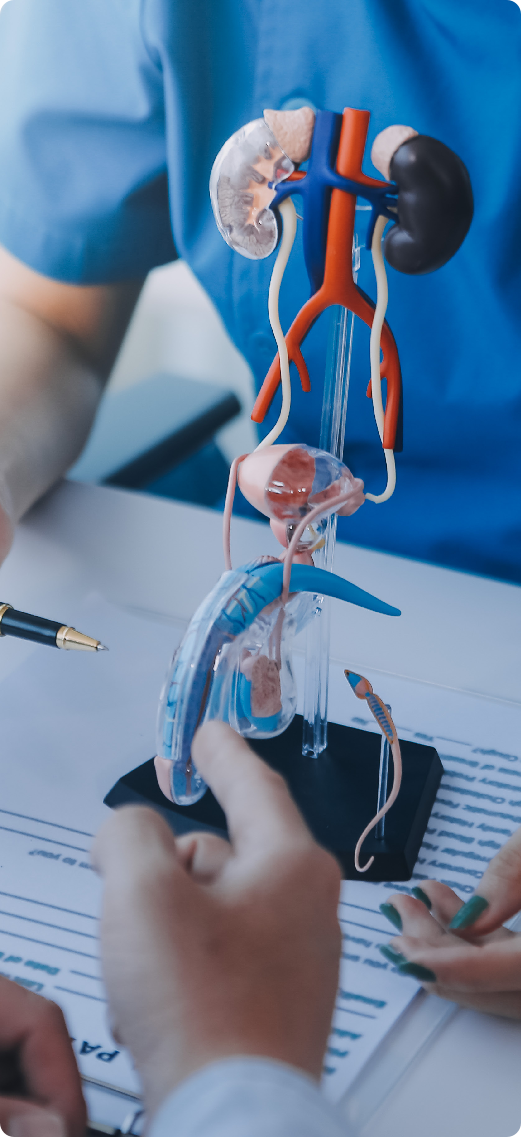
A nephrologist is a physician who specializes exclusively in the kidneys and their function. Nephrology is a subspecialty of internal medicine rather than urology, which means nephrologists are not surgeons. They diagnose and treat kidney diseases, as well as conditions affecting other parts of the body that can lead to kidney problems or result from impaired kidney function.
A urologist, on the other hand, diagnoses and treats a wide range of conditions affecting the urinary system and the male reproductive system. While some urologists may focus primarily on non-surgical care, all urologists receive comprehensive training in urological surgery.
Urologists may also specialize in areas such as:
Yes. In many cases, erectile dysfunction can be effectively treated and significantly improved with a personalized approach that may include oral medications, psychological therapy, lifestyle changes, hormone therapy, or specialized medical devices. The most appropriate treatment depends on the underlying cause, overall health, and individual needs of each patient. Schedule a consultation to determine the right treatment option for you and take the first step toward restoring your sexual health and quality of life.
Penile implant surgery is a well-established procedure with high patient satisfaction when performed by an experienced urologist specializing in penile implants.
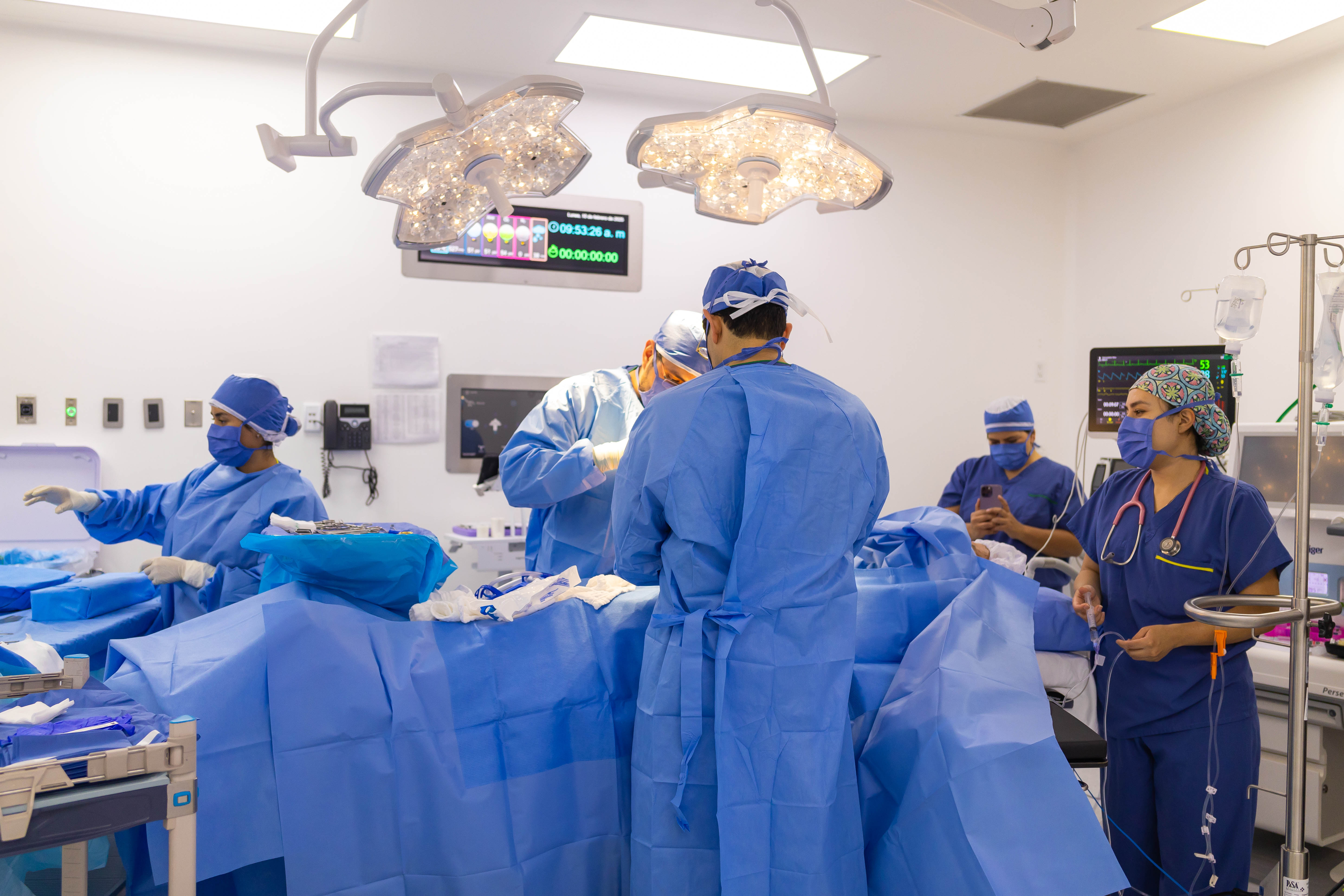
The type of reconstructive surgery depends on the area affected and the patient’s individual needs. Common procedures include:
Every reconstructive procedure is individually tailored to the patient, with both functional and aesthetic goals in mind. Schedule a consultation and take the first step toward restoring your health, confidence, and quality of life.
Yes. In most cases, the results of genital aesthetic procedures are long-lasting and may be permanent, although natural aging, significant changes in body weight, hormonal changes, and other individual factors can influence the results over time. Some procedures may require minor adjustments or additional treatments in the future, depending on how the body changes and the patient’s individual goals. Overall, properly selected procedures can provide long-lasting aesthetic and functional benefits. Schedule a consultation to learn which treatment is right for you and what results you can realistically expect.